The extensive history of DeFabrique
When Tjeerd Jacob Twijnstra had his linseed oil and mixed feed factory built in 1921, he could not have imagined that 100 years later his building would be one of the most distinctive and leading event venues in the Netherlands. Are you curious about the extensive history of DeFabrique? Let us take you back in time...
HOW IT BEGAN
In 1887, Tsjaerd Twijnstra bought the wind and steam oil mill 'De Eendragt' in Akkrum, Friesland, for his 21-year-old farmer's son Ulbe Twijnstra. The mill pressed oil from linseed, soybeans, and copra, which was then used to make soap, margarine, paints, and varnishes. For millers, the 'waste product' linseed cake was particularly interesting. This is the pulp that remains after pressing the oil and can be used as animal feed. In areas rich in livestock, the dairy industry flourished, making good animal feed increasingly important. Oil mills were seen as an interesting investment because they exploited products in two separate markets.
MODERNIZING & INNOVATING
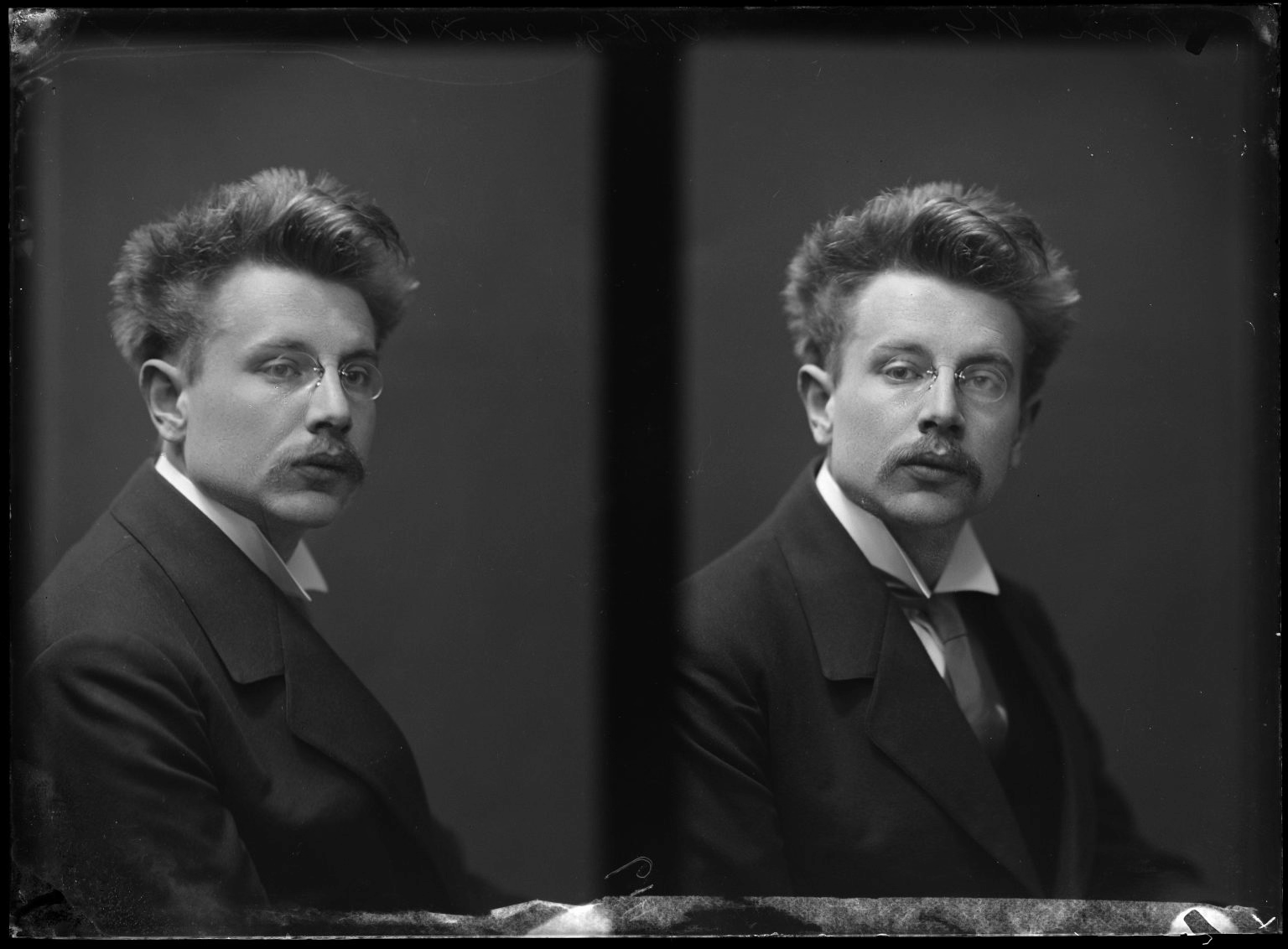
The young Ulbe Twijnstra tackled the task energetically. In 1891, the windmill was demolished and replaced by a modern factory building. The steam engine was replaced by a larger one and English presses were purchased to extract the oil from the ground seeds faster and more efficiently. At the same time, a similar factory was purchased and modernized in Franeker, Friesland. In a short period of time, UT grew from a small, local industry into a well-organized large company. Through its own research and consistent quality, UT built up a good reputation among farmers. When Ulbe Twijnstra died suddenly in 1912, his son Tjeerd Jacob Twijnstra took over the management of the family business, U. Twijntra's Oliefabriek NV in Akkrum, three years later. The Frisian was then 25 years old.
NATIONAL SALES
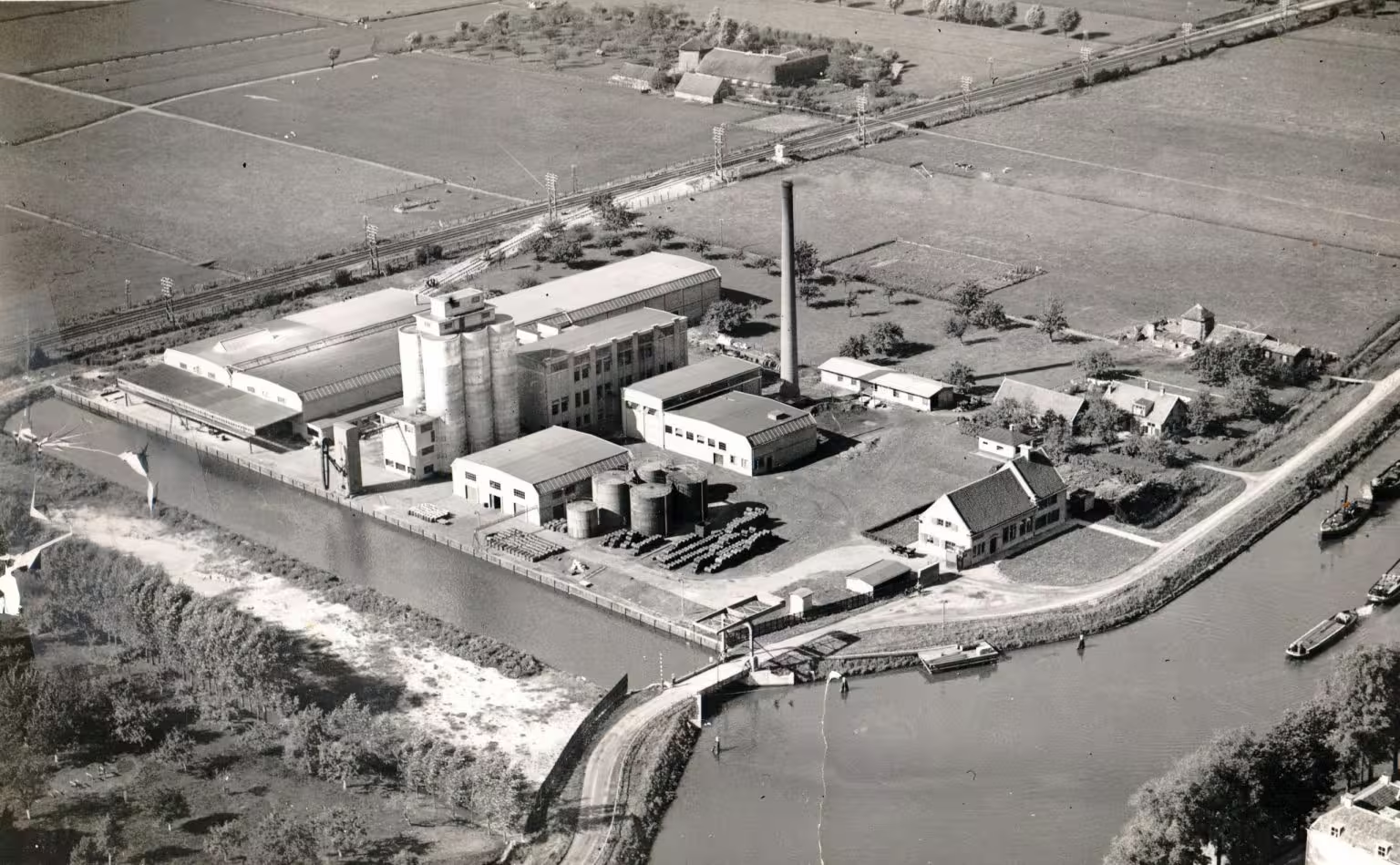
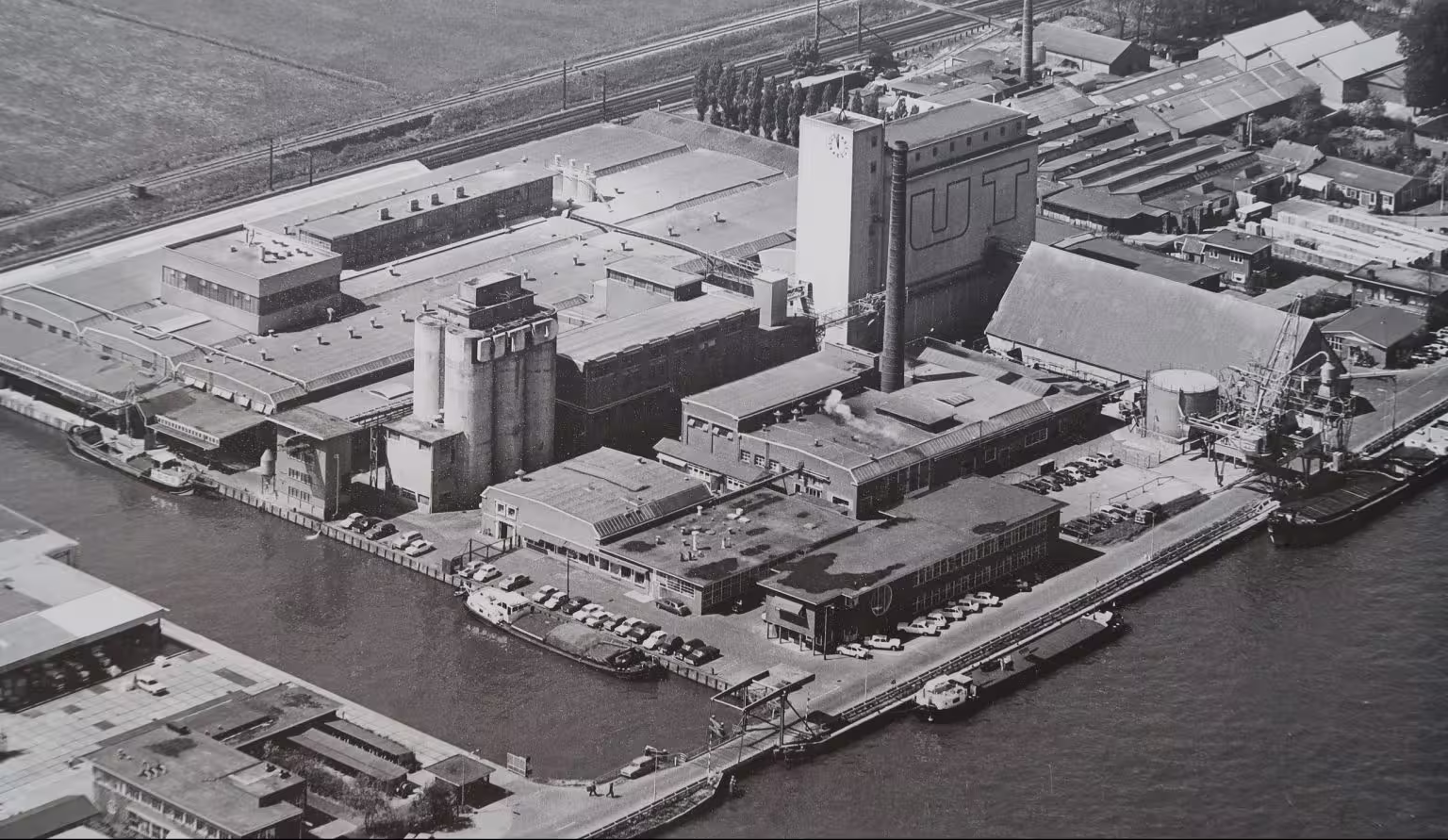
Shortly after World War I, Tjeerd wanted to sell his products nationwide. He searched for a suitable location in the center of the country. He found it in Maarssen. The village on the outskirts of Utrecht was conveniently located between the Utrecht-Amsterdam railway line and the Merwede Canal (now the Amsterdam-Rhine Canal). Its location on good navigable waterways was very important for the supply and removal of raw materials. For this purpose, a private harbor was even dug, making the complex easily accessible by boat, train, horse, wagon, and later trucks.
UT TO MAARSSEN
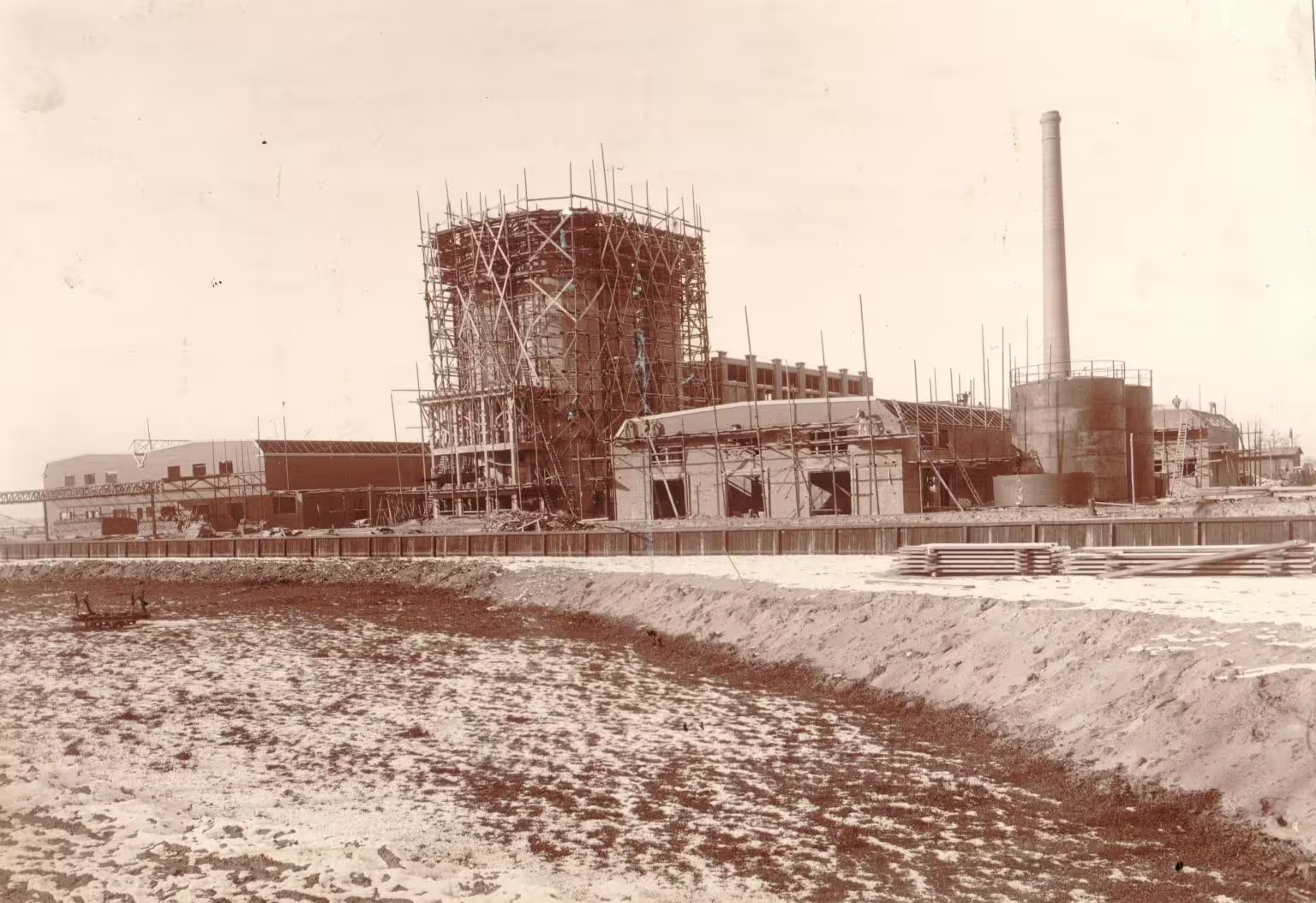
And so, in April 1921, a modern factory for pressing linseed oil and producing cattle feed was built. A good friend of Tjeerd's was an architect and designed several buildings. The factory consisted of an oil press, cattle feed factory, shipping center, and round concrete silos. Unfortunately, there were also some major setbacks. Due to a harsh winter and the bankruptcy of the builder, the project was significantly delayed.
FRISIAN PEOPLE TO UTRECHT
As construction progressed, machines were brought to Maarssen from Franeker and Akkrum. A team of UT employees also came to assist with the construction and installation of the machines. When the factory was ready, a second wave of Frisians arrived in Maarssen from Akkrum. Office staff were also transferred, as Maarssen became the new headquarters. All these new residents naturally needed housing. With the guarantee of a factory, the municipality built a neighborhood of small workers' houses on the other side of the canal, which is still known today as the Friezenbuurt (Frisian neighborhood). From trade unions and churches to associations and municipal councils, Frisians were everywhere. The factory provided tremendous employment opportunities for them, but also for people from the surrounding area.
CONTINUOUS OPERATIONS
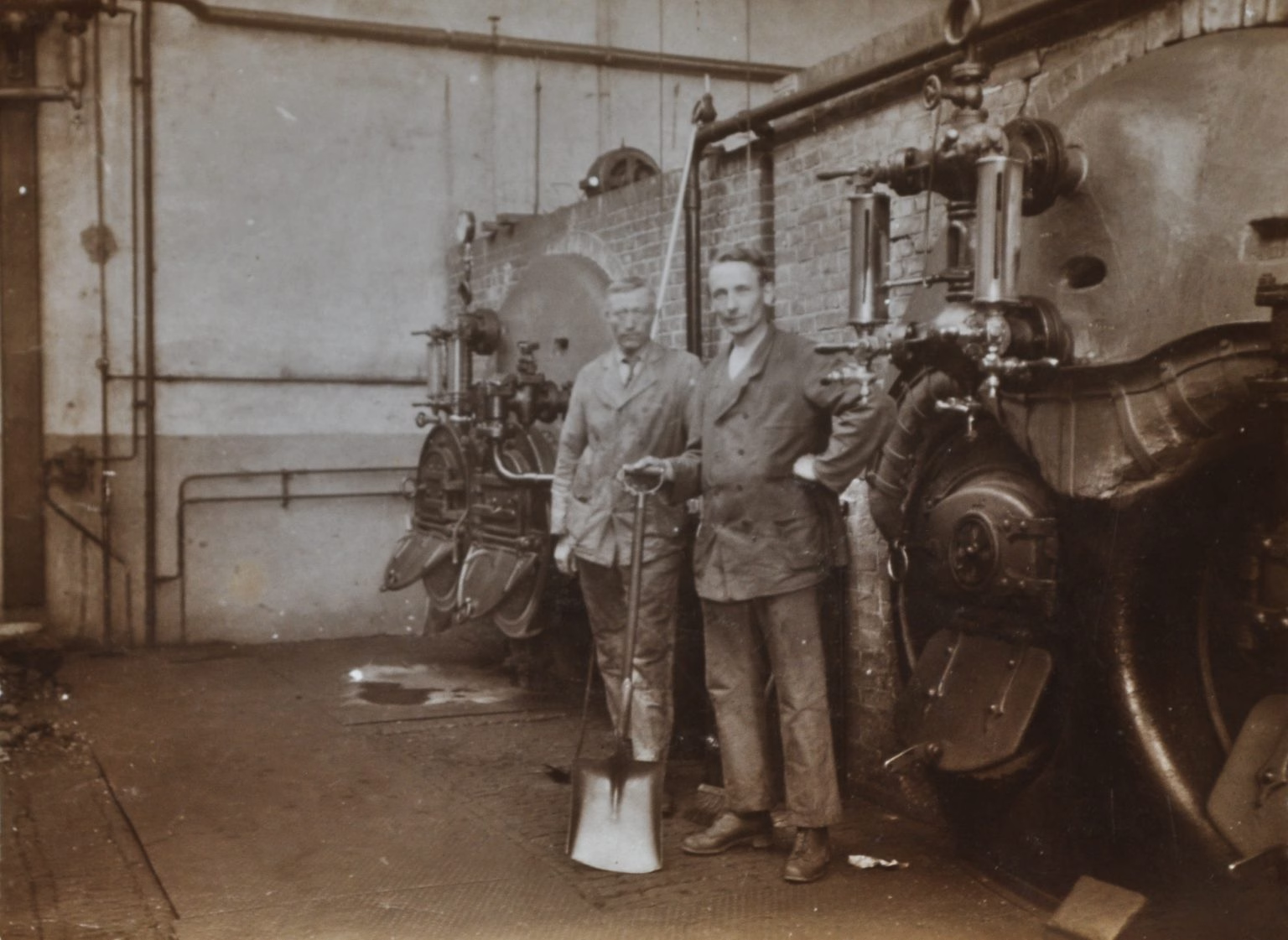
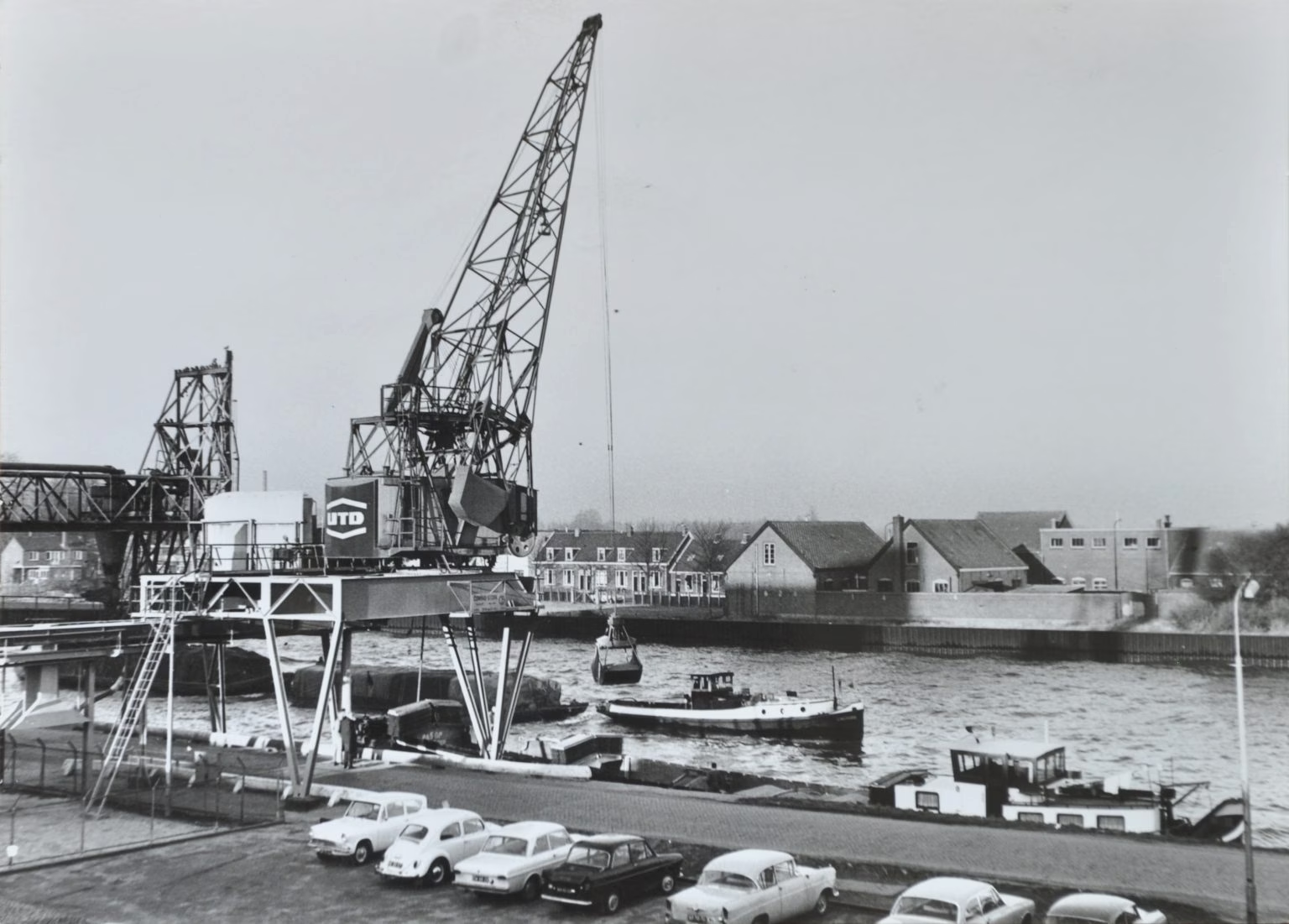
As a young entrepreneur, Tjeerd Jacob Twijnstra was at the helm of two thriving companies. Raw materials arrived by ship, were loaded into containers using a crane and grabber, and then transported via conveyor belts to the various pressing machines. All machines were powered by a steam engine located in the boiler room with a chimney. Once the production process was complete, the end products were packed into bags and stored in the dispatch center. From there, the bags were loaded onto ships, trains, wagons, and later trucks. This continuous process was made possible by three shifts. Each day, three groups of people with the right skills worked eight hours in the factory.
SURVIVAL THREATENED
In the 1920s, two threats emerged for UT: advancing agricultural cooperatives began producing their own cakes, and the margarine industry started pressing its own oilseeds. Twijnstra sought ways to secure UT's position. A soap factory was purchased, where the linseed oil produced was used to manufacture soap.
GLOBAL CRISIS
The danger for UT had not yet passed. The Roaring Twenties came to an abrupt halt in 1929 as a result of the Wall Street stock market crash, which caused share prices to plummet at an unprecedented rate. The result? A global crisis. Due to low cake prices, pressing oilseeds was no longer profitable. Production was reduced, the working week shortened, and factory workers were laid off. The growing power of Margarine Unie was an additional unfavorable factor. Margarine Unie was virtually the only buyer of soybean, coconut, and groundnut oil, and it did not purchase from third parties. The cake market also collapsed completely, creating a disastrous situation. Twijnstra therefore negotiated with Margarine Unie about a partnership that would allow him to retain his independence. Unfortunately, this did not yield any results.
DANGER LURKS
A new merger threatens UT's existence in early 1930. Margarine Unie and Lever Brothers (the two major consumers of oils and fats) reached an agreement: Unilever was born. The market leader in margarine and soap. Ultimately, UT entered into a partnership with the international company this year to benefit from the joint purchase of raw materials and to secure the company's survival.
SWITCH
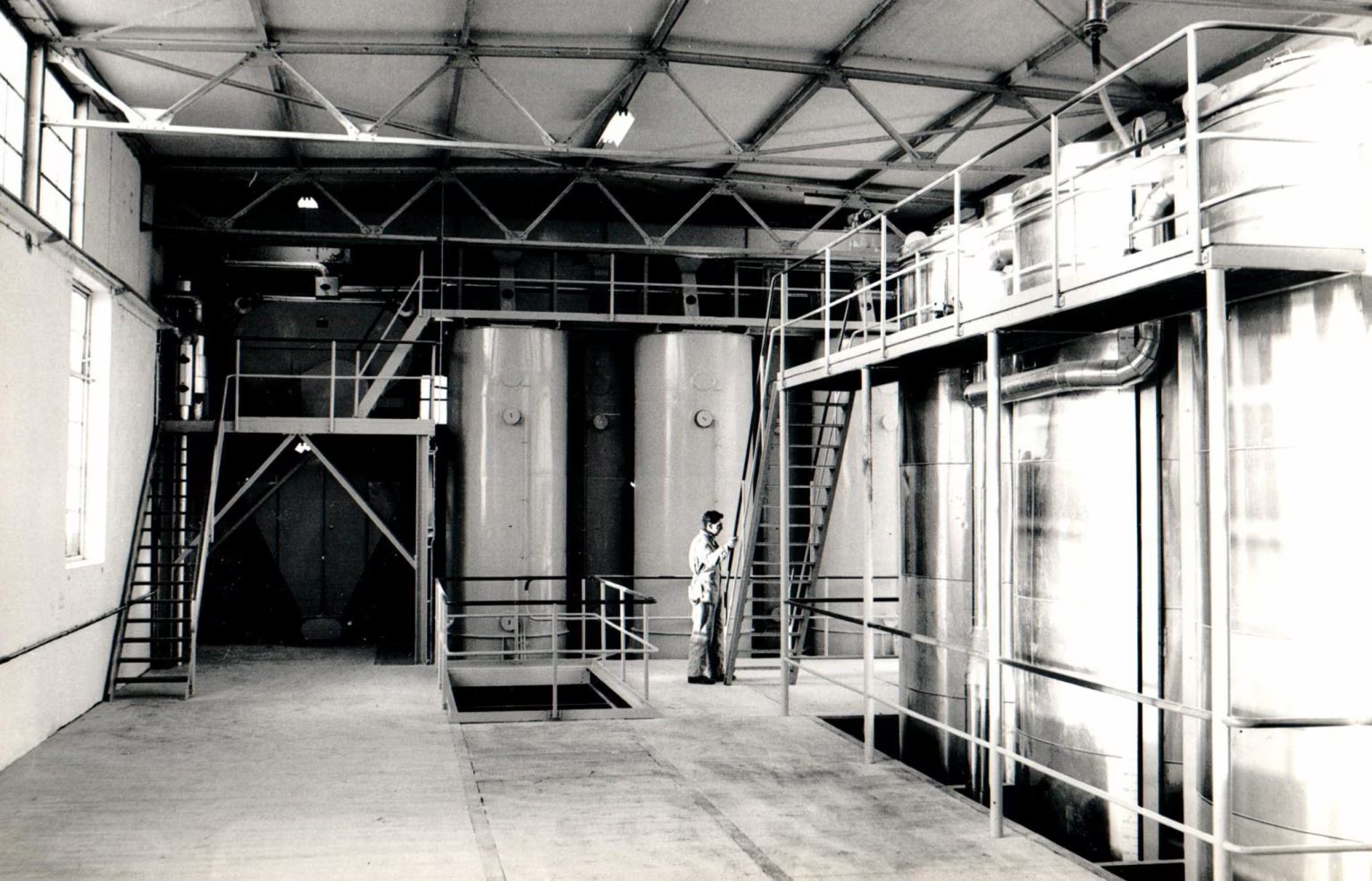
For a long time, cattle cakes were merely a by-product of the oil factory, but manufacturers increasingly began marketing mixed cakes. These had beneficial properties that made them better nutrition for cows and cheaper for farmers. In 1937, a mixed feed department was built in the factory. The first step from oil mill to mixed feed factory had been taken.
SECOND WORLD WAR
At the start of World War II, the supply of oilseeds stagnated and in April 1940, the workforce shrank again. All dismissed workers found employment with the Ministry of Defense, where every effort was being made to reinforce the new Dutch Water Line. During the war years, every effort was made to keep UT staff employed, for example by cutting peat, building roads, and filling bags with substitute soap. Unfortunately, 17 employees were forced to work in Germany, of whom, as far as is known, one did not return. As the war dragged on, food supplies dwindled. Thanks to the efforts of the factory management in Maarssen, and with the help of Akkrum, it was possible to continue to provide food for all staff members and their families. At the end of the war, German prisoners of war were housed in the factory's storage sheds and English guards settled in the office. The spoils of war consisted of a substitute tire, which was used as an office bicycle by the youngest employee for a few more years.
.avif)
TRANSITION TO MIXED FEED FACTORY
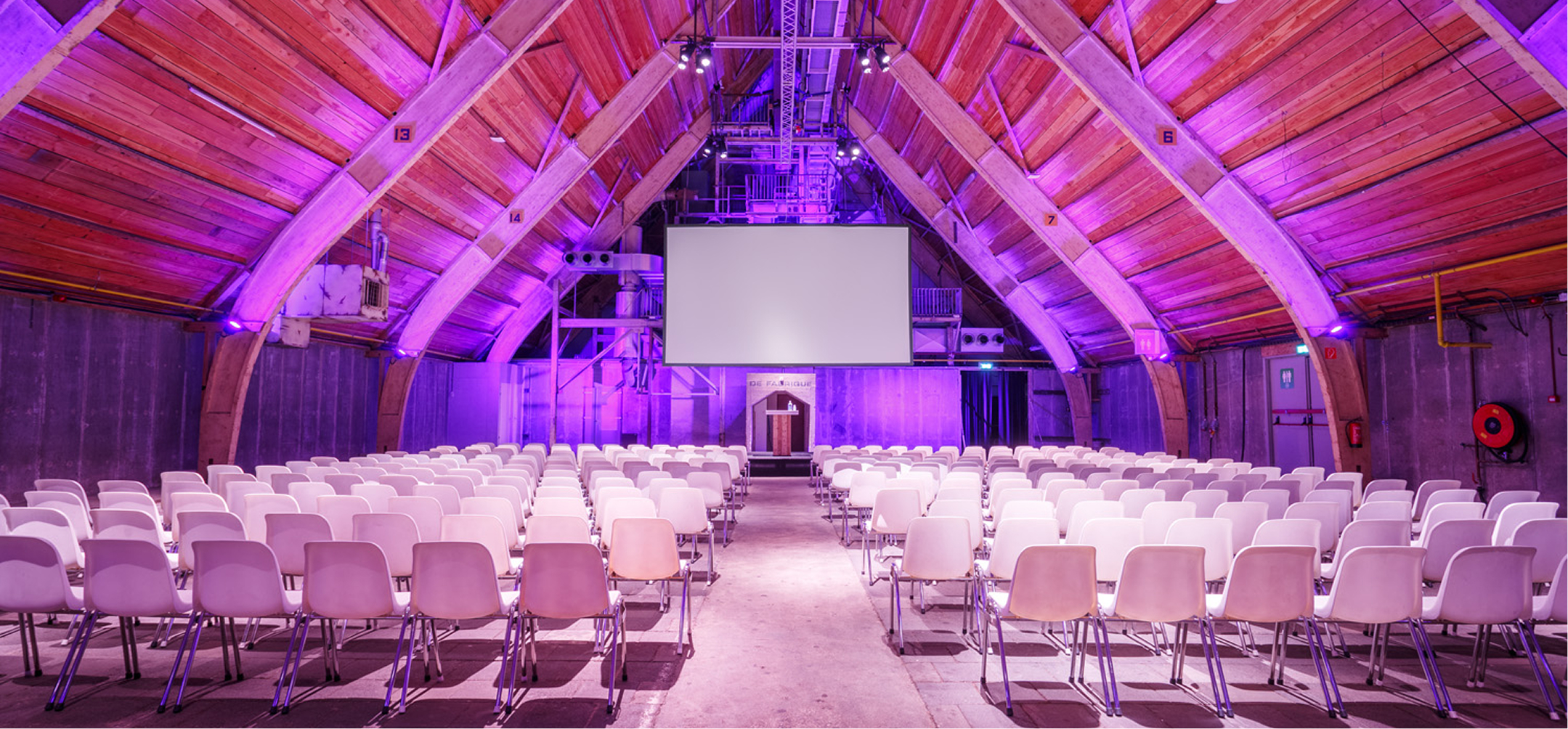
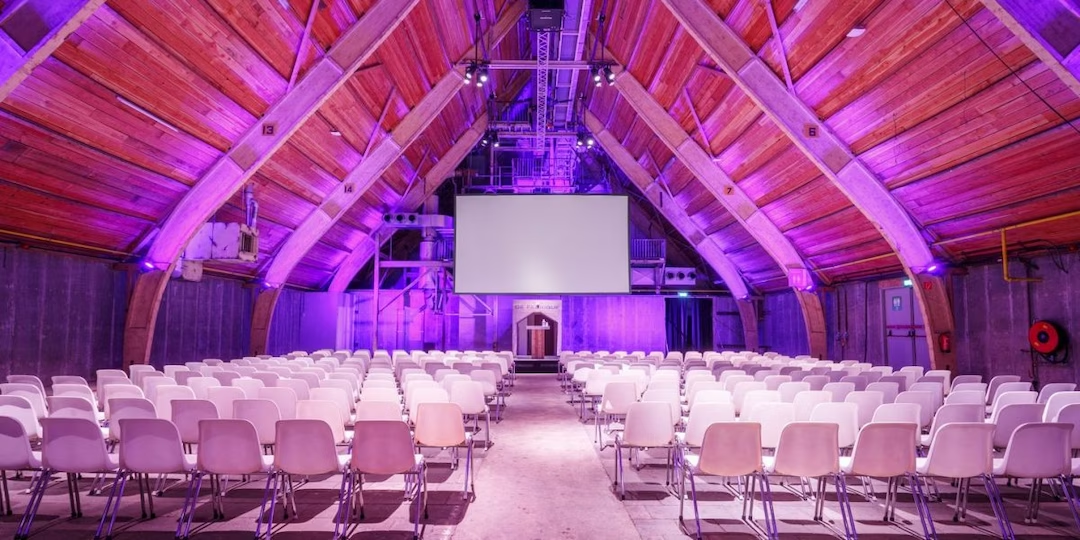
Changes in the global market also led to changes in UT's business operations. After World War II, livestock numbers grew rapidly and feed was no longer focused solely on cattle, but also on pigs and poultry. In 1945, Twijnstra's Oil and Feed Cake Factory switched to copra, the dried flesh of the coconut. Coconut oil was mainly used in the margarine industry. The coconuts were cracked open, the water drained off, and the kernels dried (for example, in the sun or in an oven). The remaining kernels were then crushed to extract the oil. For this process, a striking tent-shaped shed was built in 1950, now known as the Copraloods. All the coconuts were stored in this space. In 1959, director Tjeerd Jacob Twijnstra passed away and his son Ubbo Twijnstra took over the family business; he had been technical director since the 1950s. Finally, in 1962 – after 75 years – it was decided to close the oil mill and mixed feed officially became the main product.
ORIGIN OF THE UTD FACTORY
In 1963, Twijnstra's factory merged with the mixed feed division of NV Oliefabrieken Calvé-Delft. This resulted in U.T.-Delfia BV, which changed the name of UT to UTD. Delfia was part of Unilever and therefore a very large company. By merging with them, UT expanded its sales area and market share. Finally, in 1998, it was incorporated into the Nutreco group, where it merged with Hendrix to form Hendrix UTD. Since April 2012, Hendrix UTD has been part of ForFarmers.
FACTORY SALE
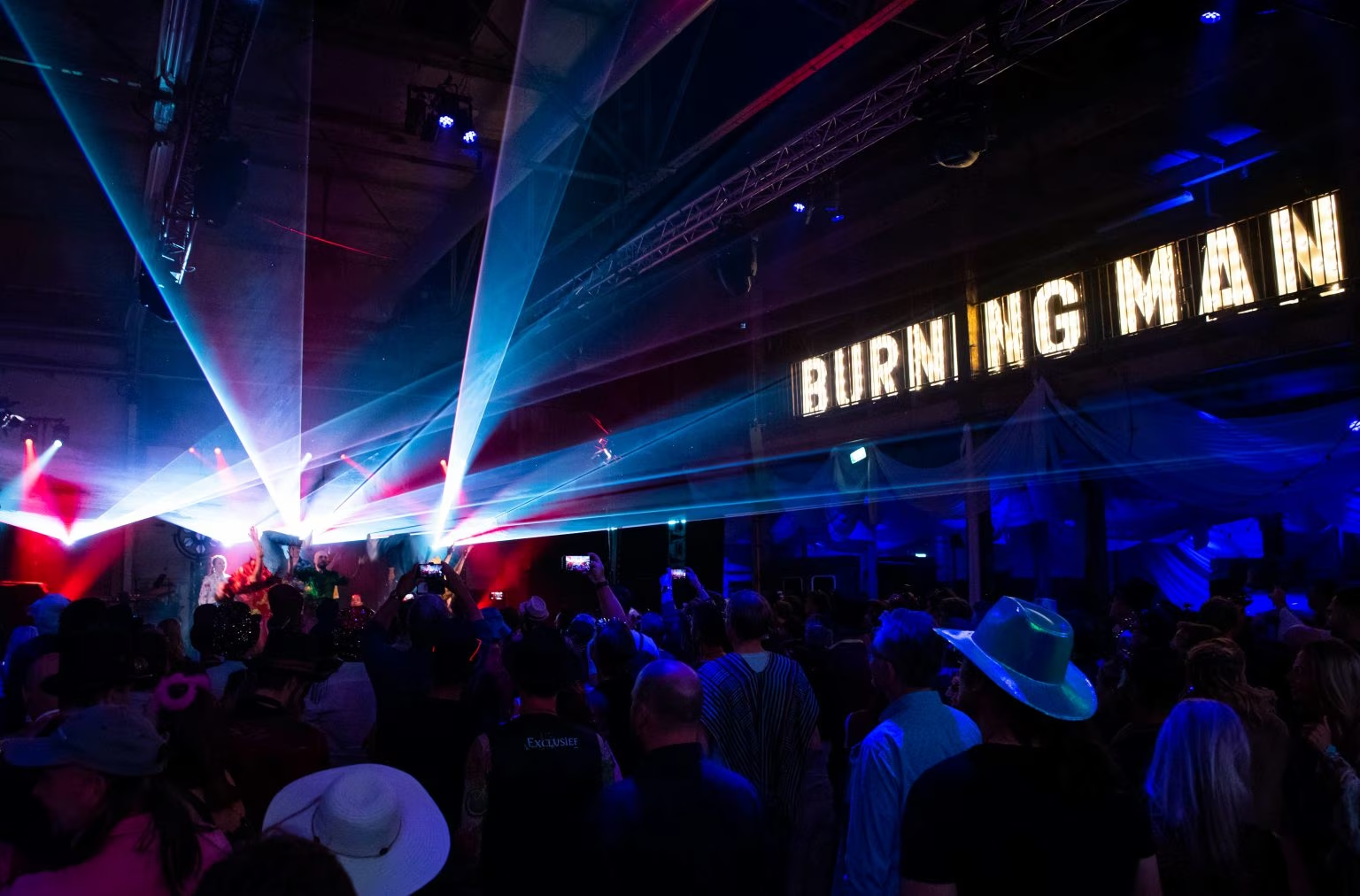
In 1991, the factory was up for sale. Five years passed and no one was interested. Entrepreneur Jan van Eck was persuaded by an acquaintance to visit and fell in love with the building at first sight. After some tough negotiations, on October 15, Jan received the factory as a gift from his wife Krijnie for his 50th birthday. The couple saw the old factory with its characteristic spaces as a wonderful opportunity to preserve a piece of history and share it with others. Their drive to make the most of the building and its industrial surroundings resulted in an event location with a unique atmosphere and the most modern facilities for trade fairs, parties, and conferences.