The Unseen Moments of a Plenary Session: What Does Nobody Think About?
A stage, a screen, a speaker, and a room full of guests. A plenary session seems simple, but whether such a session is truly successful depends on more than just the list of speakers. It’s in the moments no one thinks about: the second before the applause, the silence after a joke, and the microphone turning on just in time. Are you prepared for those invisible moments?
Stage Design: The Stage Is Also Content
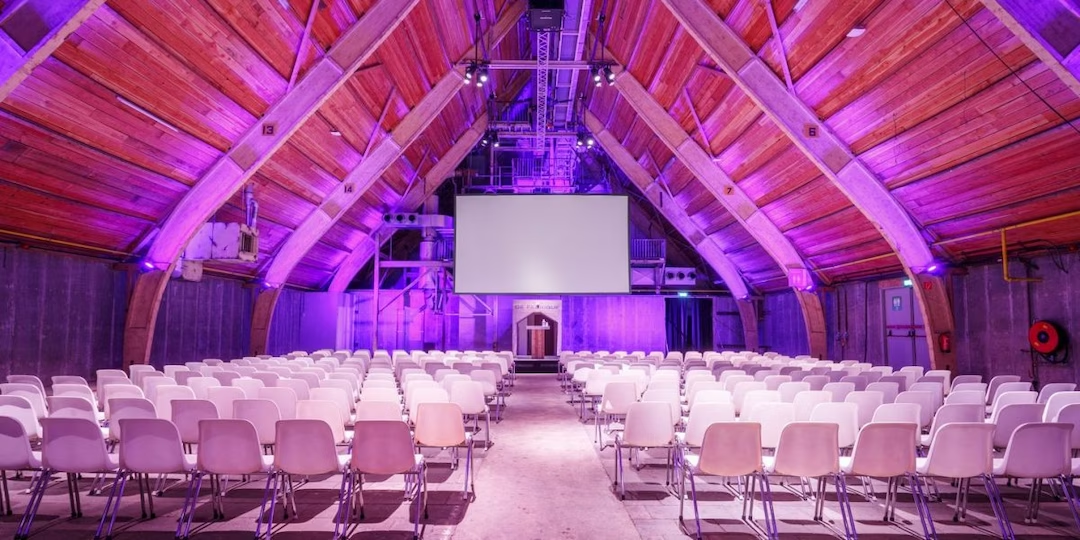
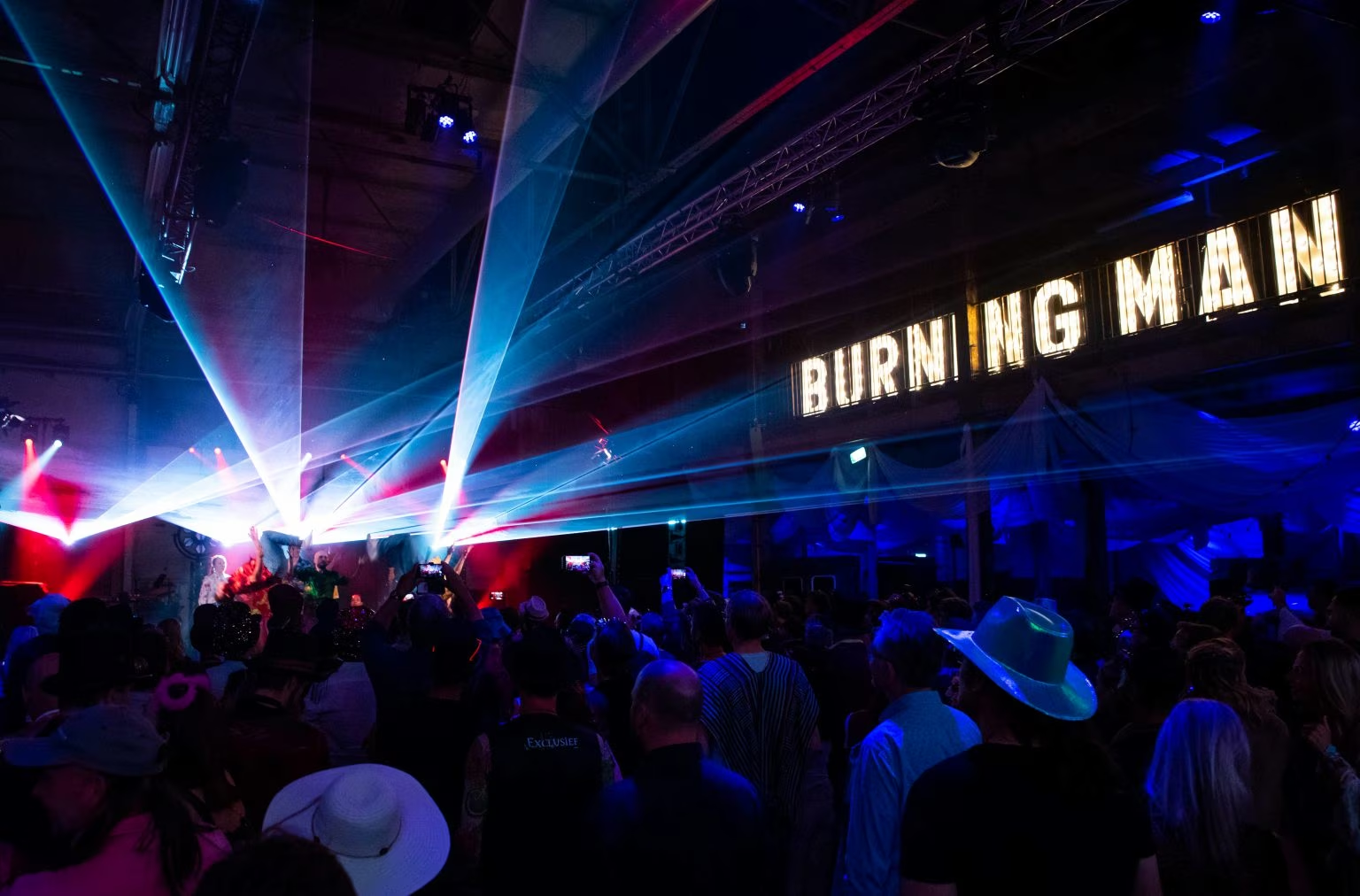
Your stage isn’t just for the people in the audience. The “stage image” shows up on social media, in post-event reflections, and in every photo someone shares. It’s the backdrop for your day and for a thousand selfies. So what do all those people see? A bare stage with a logo on a screen, or a stage that truly says everything about your event?
You can do a lot with lighting. Think of banners featuring your brand that decorate the stage, or illuminated letters spelling out your brand name or in the colors of your logo. This gives your event personality. It’s also in the details: a flyer on every seat, a bottle of water with a custom label, or a personalized notebook. These are small things, but guests notice and remember them.
What do your guests actually see?
Walk through your program minute by minute, from your guest’s perspective. What’s on the screen when the speaker comes on stage? Where is everyone looking when a table needs to be moved on stage? And during an awards ceremony: what do you see the moment the confetti pops and the audience counts down together from 10 to 0?
You don’t leave moments like these to chance. An event producer from DeFabrique works closely with you every step of the way, from the initial sketch to the very last note. Will there be a laptop change, music, or perhaps just silence? A well-chosen transition keeps the energy in the room flowing.
The director decides when
If there’s just one speaker giving a single presentation, you don’t need a director. But as soon as the stage gets busier—with multiple speakers, video footage, or an awards show—someone has to decide what happens when. When do the lights change? Which camera zooms in on the winner? The director knows exactly what to do and directs the video, sound, and lighting technicians.
A gala evening requires a different director than an awards show, and the director’s personality must also be a good fit for the program. Our event producers know the best directors and understand where their expertise lies. That way, they can connect you with the director who’s the right fit for your event and your company’s culture.
Time to walk, sit, and go to the bathroom
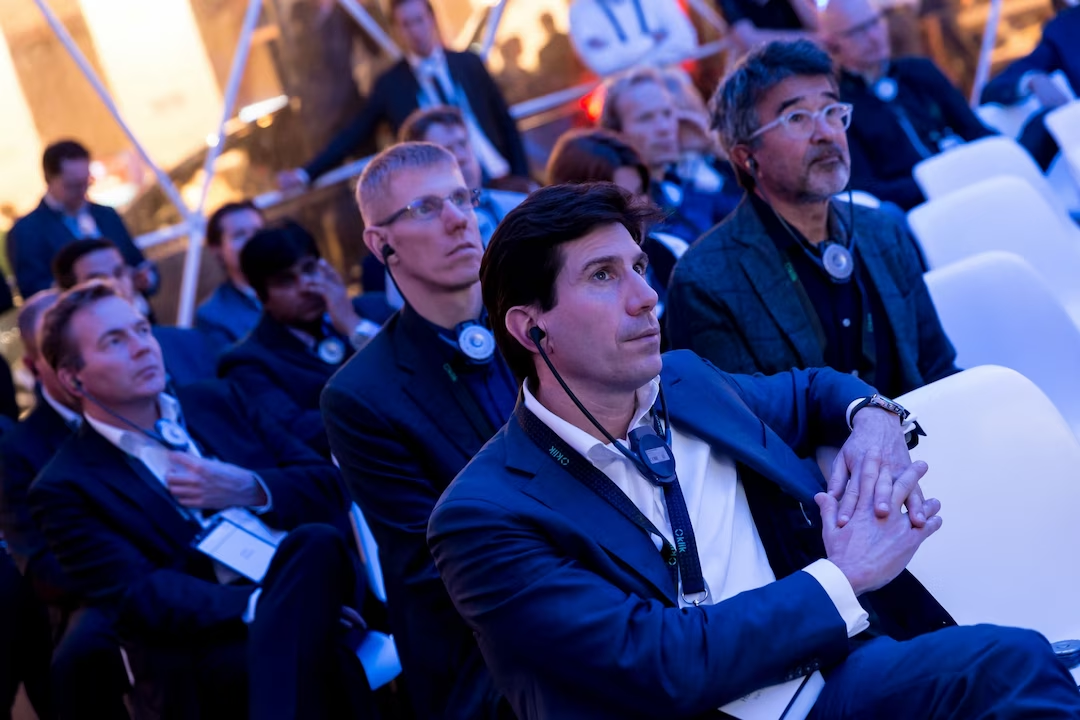
It may seem like a minor detail, but it can make or break a session: try walking the route your guests will take. Hundreds of people have to enter the room, find a seat, hang up their coats, greet their neighbors, and sit down. That can’t be done in a minute. If not enough time is allotted, the next session will start with people still trickling in—and thus arriving late and causing a commotion.
The same applies to the break. It doesn’t start the moment the speaker finishes, but only once your guests are standing by the coffee machine. First, they have to leave the room, find their way, then there’s some small talk in the hallway, and then people still want to use the restroom for a moment. That always takes longer than you think. So first calculate the duration of the session, and only then determine the break time. A well-planned break ensures that guests return refreshed and attentive.


The Start: The First Few Minutes Count
The first few minutes set the tone for the day. Guests who receive their badges right away, find their way around, and are handed a drink walk into the room feeling relaxed. A registration process that runs on time and speakers who are in the right place are the foundation for this. A good venue has, of course, already taken care of all that, but it’s nice to go over everything one more time together so you can feel confident as the client. Then you’ll know that everything is ready, and you can confidently open the doors to your guests and enjoy the moment you’ve worked so hard to achieve.
Speakers, host, and microphones: Here's how to make it run smoothly
A good host seamlessly connects the speakers in a pleasant way, so that every transition flows naturally. They’re the glue that holds your day together. Here, too, the question arises: what’s on the screen? Provide a standard slide featuring your company logo or the event’s logo. That way, the technicians always have something visually appealing ready for a “downtime” moment, and the audience never has to look at a black screen or an open desktop. Because no one wants to spend half an hour looking at someone else’s folder structure.
Finally, the microphones. Pay attention to both the number and the order: the next speaker should already have his or her microphone on before stepping onto the stage. This prevents delays and on-screen fumbling. Are speakers following one another in quick succession? Make sure you have enough microphones so there’s no awkward handoff on stage and everything runs smoothly. And if one does happen to fail? Have a spare ready.
It's in what you don't see
Ultimately, it’s all about those moments that no one notices, but everyone feels. When those moments are just right, your guests will remember only the result: a session that just flows smoothly. Because the best direction is the kind no one talks about.
Are you organizing a plenary session soon? Get in touch—we’d love to help you plan it!