9 different layouts for your event
Let's be honest: organizing an event can be quite overwhelming. From themes and activities to cloakroom and catering, you want everything to be perfect. And we understand that all too well: the guest experience comes first. But did you know that the room layout also contributes greatly to this experience? Now you may be thinking: which layout works best? That depends on your goal and target audience. In this article, we have outlined nine different room layouts so that you can make the right choice.
1. Theater layout
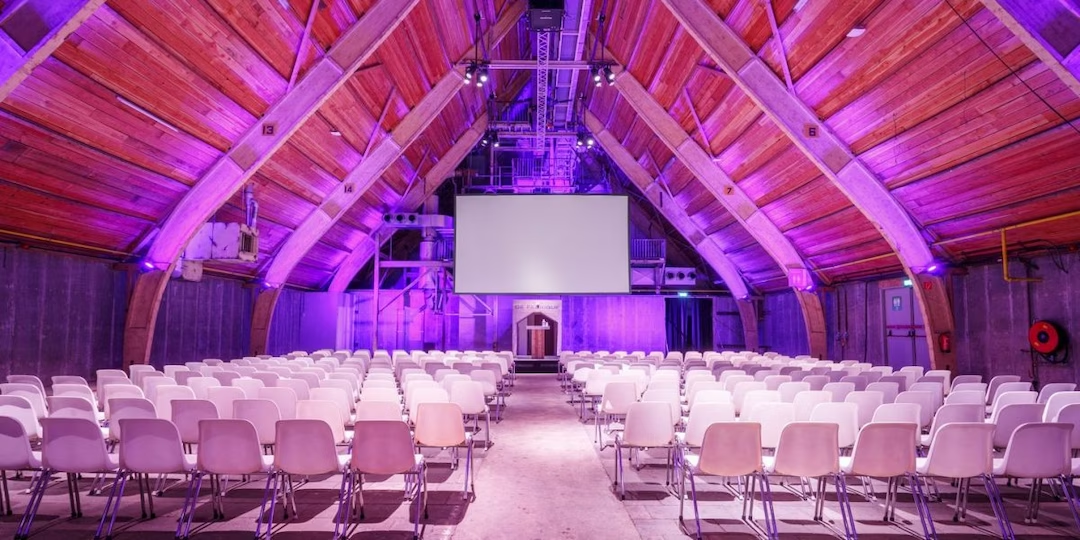
Do you have a conference, TED Talk, training session, or presentation coming up? Then you could opt for a theater layout (also known as a plenary layout). This layout is mainly used when the event revolves around listening to a speaker. We particularly recommend this layout if you are organizing an event for a large group of people. The theater layout consists of rows of chairs. There are no tables, which saves a lot of space within the venue. This setup allows you to welcome the most people to your event.

2. Half Plenary
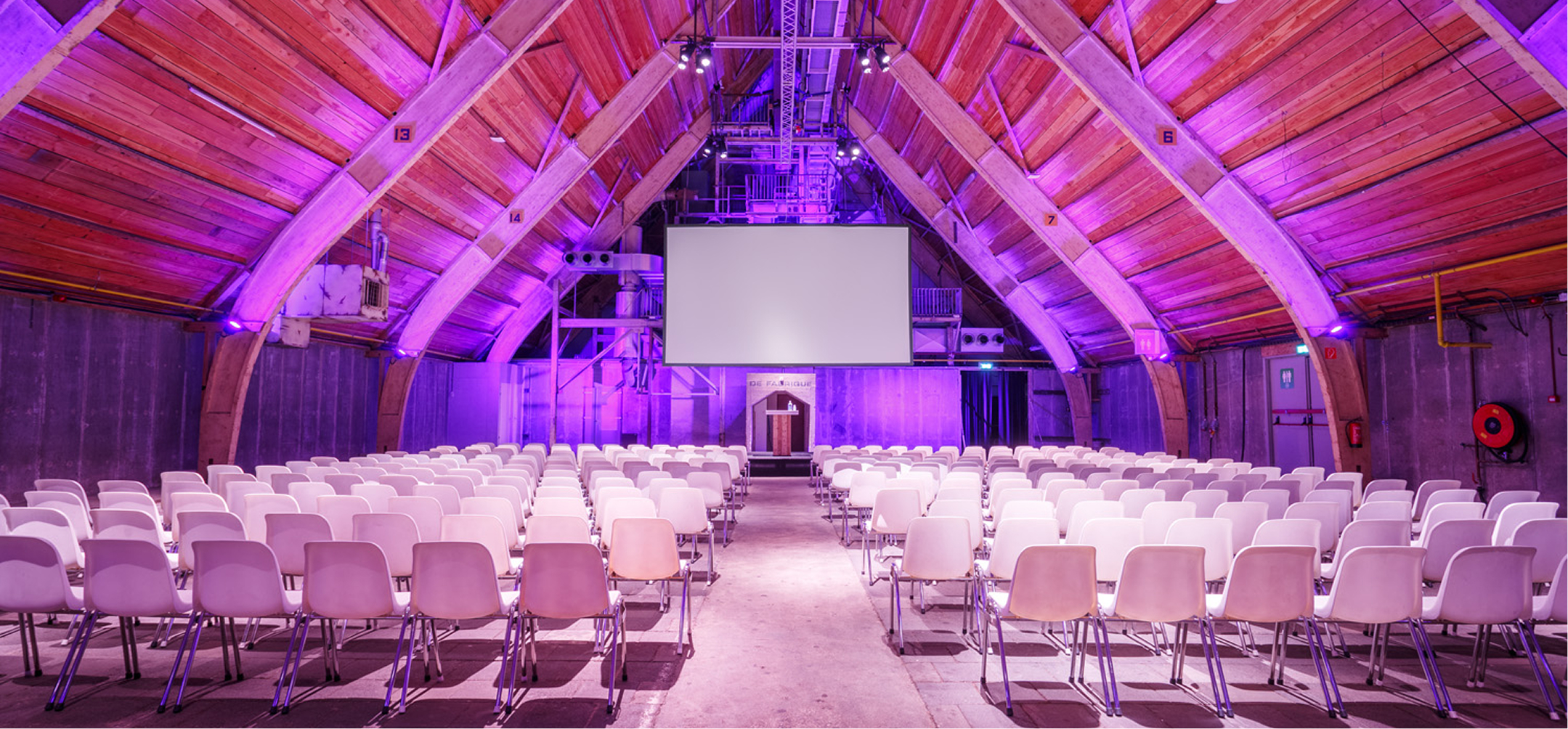
You guessed it: we're moving from plenary to semi-plenary. And it's exactly what you think: half of the room is set up for plenary sessions and half is free for other uses (such as catering). This setup also features rows of chairs, without tables. So, do you have a company party, training session, or conference coming up? Then you can also opt for a semi-plenary setup. This setup is definitely recommended if you want more space for catering, networking, or other activities. As you can see below, our Copraloods is often used in this way.

3. Seated dinner
Is it time for socializing and do you want to enjoy a delicious dinner together? There is a suitable setup for that too! A seated dinner means that tables are placed throughout the room. This can be one long table, but you can also opt for smaller, round tables. This setup is primarily intended to encourage interaction between your guests. There are several options for this setup, so there is always something that can be created to suit the style of your event.

4. Circle formation
When you think of a circle formation, you might think of the introductory round during your studies. But did you know that there are multiple functions for this formation? Due to its informal feel, this formation can be used for training sessions, courses, sub-sessions, or brainstorming sessions, for example. The nice thing about this formation is that everyone can see each other. This creates a sense of equality within the group.

What does your next dream event look like?
Read more:
5. Cabaret seating arrangement
Are you thinking of organizing a conference, cabaret show, workshop, hackathon, or similar event? Then the cabaret setup might be just what you need! With this setup, tables with a number of chairs are placed throughout the room. This creates 'groups', as it were. Since there is a table, your guests have space to write or put down drinks and snacks. In addition, this setup makes it easier to discuss things: ideal!

6. School layout
This setup is pretty self-explanatory. There are a few rows of tables set up that can seat two to three people. For a workshop, presentation, training session, or course, this can be a good setup if your guests need space to write and/or discuss things.

7. U-shape
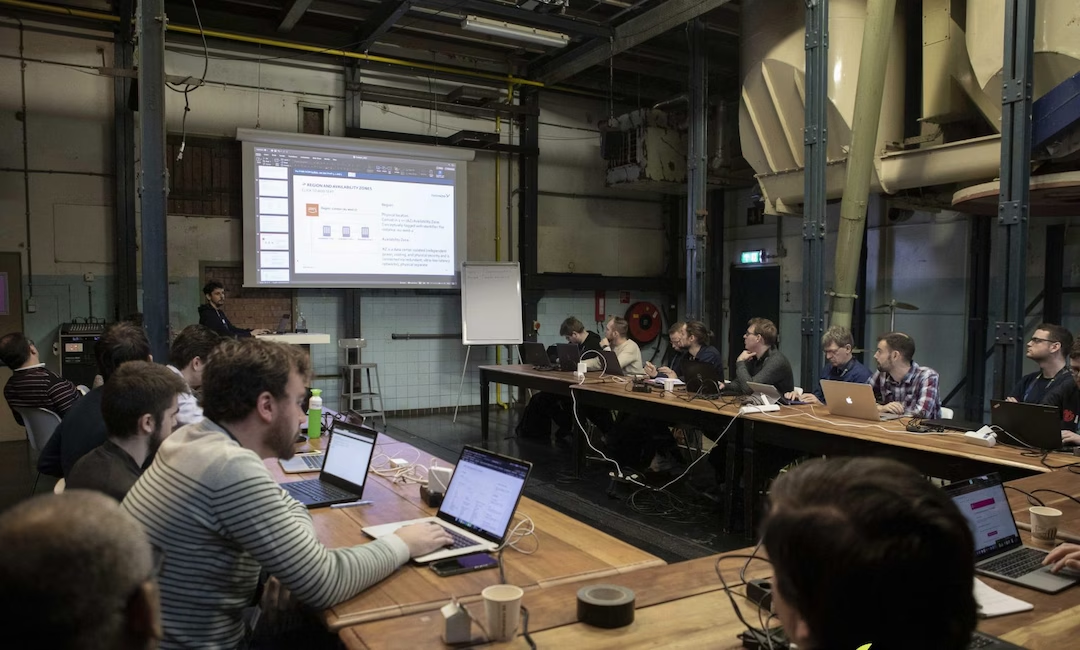
Would you like an informal atmosphere, but find a circle arrangement impractical? Then there is always the U-shape! The difference with a circle layout is that there is one open side, giving the speaker room to walk inside the 'U'. This can encourage more interaction with your guests during a presentation or explanation. This layout is also ideal because everyone can see each other. This makes it easy to have group discussions.
8. House of Commons
Would you prefer a completely different setting? Then you can opt for a 'lower house' layout. This means that your guests sit opposite each other. Examples of this layout can be seen in debates or TV productions (such as Ik Hou van Holland). During some events, it can be beneficial for people to be able to see each other. In addition, it can increase engagement and interaction during a debate, presentation, or game.

9. Arena setup
Finally, we have the arena layout. This layout can be used for various purposes. Just like with the 'lower house' layout, people can see each other. The difference is that with an arena layout, a circle or square is created by means of seating areas. In the middle is a stage where the event takes place. The arena setup creates a sense of togetherness, making it the perfect room setup for a meeting.